Have you ever wondered why a small cut becomes red, warm, and swollen? That’s your body’s inflammation response in action — an essential defense mechanism designed to protect and repair.
When tissue is injured or exposed to pathogens, the immune system releases chemical messengers such as interleukin-6 (IL-6) and prostaglandins. These signals open blood vessels and attract white blood cells to the affected area to begin healing. In medical tests, an increase in C-reactive protein (CRP) often reflects this process.
In a healthy state, inflammation activates briefly and fades once healing is complete. However, when low-grade inflammation continues for weeks or months, it becomes chronic, slowly affecting tissues, energy metabolism, and long-term wellness.
Acute vs. Chronic Inflammation
Inflammation can be classified into two main types:
- Acute inflammation is a short-term, targeted response to injury or infection. It helps the body repair and then resolves naturally.
- Chronic inflammation develops over time and often lingers due to lifestyle factors such as poor diet, stress, or inadequate sleep. Unlike acute inflammation, this one may not cause visible symptoms but can quietly influence health in the background.
What Triggers Long-Term Inflammation?
Chronic inflammation usually arises from multiple small factors that build up over time. Here are some common contributors:
1. Excess Visceral Fat
Fat stored around the abdomen (visceral fat) behaves like a hormonal organ, releasing cytokines that can sustain mild immune activity. Reducing this fat through balanced nutrition and exercise can significantly lower inflammation levels.
2. Unbalanced Diet
Diets high in processed foods and refined sugar are linked to higher inflammatory markers. In contrast, the Mediterranean diet—rich in fruits, vegetables, legumes, nuts, olive oil, and seafood—has been shown to help reduce CRP and IL-6 levels.
3. Sedentary Lifestyle
Lack of movement can slow metabolism and increase inflammation. Regular physical activity, such as brisk walking, swimming, or light resistance training, helps maintain a healthy immune balance.
4. Poor Sleep
Insufficient or irregular sleep increases stress hormones and inflammatory markers. Adults generally need 7–9 hours of quality sleep each night to help regulate immune function.
5. Excess Alcohol
Frequent alcohol intake can weaken the gut barrier, allowing harmful particles to enter the bloodstream and trigger inflammation. Moderating alcohol helps the body maintain balance.
The Link Between Inflammation and Weight Gain
Weight and inflammation influence each other. Excess fat releases inflammatory chemicals that interfere with insulin and leptin—two hormones that regulate appetite and metabolism. Over time, this loop makes weight control more challenging. Breaking it requires improving both body composition and lifestyle habits.
Natural Ways to Maintain a Healthy Inflammatory Response
While inflammation is part of healing, long-term imbalance can harm health. The following habits help your body regulate inflammation naturally:
1. Eat More Anti-Inflammatory Foods
Fill most of your plate with colorful vegetables, fruits, whole grains, legumes, nuts, olive oil, and seafood such as salmon or sardines. These foods contain polyphenols, antioxidants, and omega-3 fatty acids that support tissue repair.
2. Stay Active
Aim for at least 150 minutes of moderate movement weekly—think cycling, yoga, or swimming—and two sessions of strength training. Consistency matters more than intensity.
3. Prioritize Sleep
Set a consistent bedtime, reduce screen exposure before sleep, and keep your bedroom cool and dark. These simple habits improve recovery and reduce inflammation signals.
4. Limit Alcohol
Keeping consumption light—or taking alcohol-free days—supports gut health and reduces immune stress.
5. Consider Nutrient Support (with Professional Guidance)
Certain nutrients such as omega-3s, turmeric, or ginger extract may complement your lifestyle efforts. Always consult a clinician before adding supplements.
The Wolverine Protocol: Structured Support for Recovery
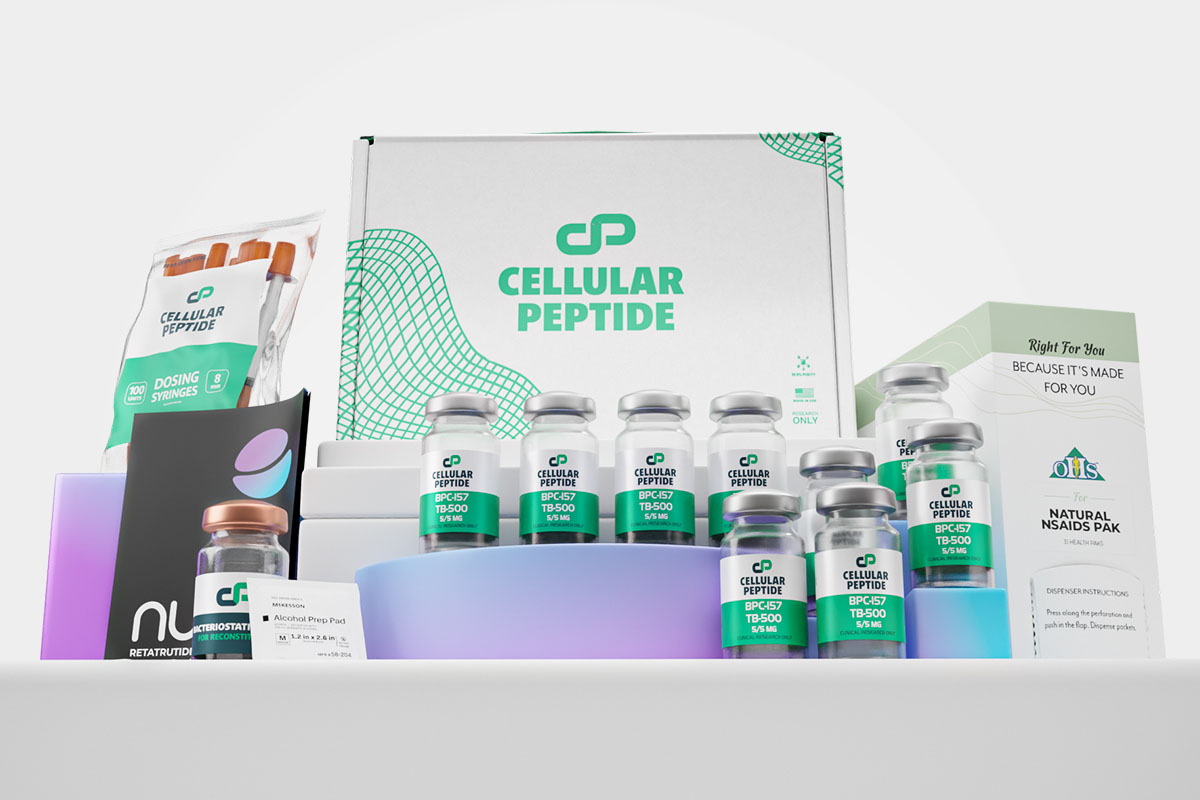
For those seeking a guided program, the Wolverine Protocol offers a 12-week, clinician-designed plan built to help the body’s natural repair system. It features BPC-157 and TB-500 peptides, both studied for their roles in supporting tissue recovery and comfort.
Highlights of the Program:
- Step-by-step roadmap for 12 weeks
- Access to healthcare professionals for guidance and adjustment
- Cold-shipped and third-party tested for purity and potency
- Manufactured in GMP-certified facilities
- Includes Natural NSAIDs Pack, combining glucosamine, MSM, omega-3s, and plant enzymes for joint comfort
Disclaimer: This protocol is not a medical treatment. It is designed to support your body’s natural recovery process in combination with balanced nutrition, movement, and sleep.
Learn More About Inflammation
Curious about how inflammation really works and how to manage it effectively? Explore our full guide here: What Is Inflammation your starting point for understanding this vital process and supporting your body’s balance naturally.

